
Bracewell's Casual Contract and Kelly's First Central Deal: New Zealand's Quiet White-Ball Economic Shift
**মূল উত্তর:** মাইকেল ব্রেসওয়েল ২০২৬-২৭ মৌসুমের জন্য নিউজিল্যান্ড ক্রিকেটের কেন্দ্রীয় চুক্তি ছেড়ে ক্যাজুয়াল চুক্তিতে গেছেন, যাতে বিগ ব্যাশ Leagueে খেলতে পারেন; একই ঘোষণায় ৩৩ বছর বয়সী নিক কেলি প্রথম কেন্দ্রীয় চুক্তি পেয়েছেন। **মূল তথ্য:** - মাইকেল ব্রেসওয়েলের বয়স ৩৫; তিনি সাদা বলের All-rounders এবং ভারতের বিরুদ্ধে পাঁচ ম্যাচের টি-টোয়েন্টি সিরিজে খেলার প্রতিশ্রুতি দিয়েছেন। - নিউজিল্যান্ডের ক্যাজুয়াল চুক্তির তালিকায় এখন ছয়জন: ফিন অ্যালেন, মার্ক চ্যাপম্যান, লকি ফার্গুসন, অ্যাডাম মিলনি, টিম সিফার্ট ও মাইকেল ব্রেসওয়েল। - নিক কেলি ২০২৫ সালের মার্চে অভিষেকের পর ৮ ওয়ানডে ও ৭ টি-টোয়েন্টি খেলেছেন; শেষ চার ওয়ানডেতে তিনটি হাফ-সেঞ্চুরি করেছেন। - নিক কেলি লিস্টারশায়ারের হয়ে সব Format মিলিয়ে ৯৫০ রান করেছেন এবং ওয়ানডে কাপ ফাইনালে ষষ্ঠ লিস্ট-এ সেঞ্চুরি পেয়েছেন। - উদ্বোধনী NZ20 League আগামী গ্রীষ্মে শুরু হবে, যা সাদা বলের ক্যালেন্ডারে তৃতীয় টি-টোয়েন্টি স্তর যোগ করবে। **সূত্র:** নিউজিল্যান্ড ক্রিকেট চুক্তি ঘোষণা, ২০২৬ সালের ৩ জুলাই | Cross-checked: cricsultan.com **সম্ভাব্য Search ও উত্তর:** - প্রশ্ন: মাইকেল ব্রেসওয়েল কেন কেন্দ্রীয় চুক্তি ছাড়লেন? উত্তর: বিগ ব্যাশ Leagueে খেলার সুযোগ নিতে, তবে তিনি International সাদা বল সিরিজে খেলার প্রতিশ্রুতি রেখেছেন। - প্রশ্ন: ক্যাজুয়াল চুক্তি মানে কি International ক্রিকেট থেকে বিদায়? উত্তর: না; ক্যাজুয়াল চুক্তিতেও খেলোয়াড় নির্বাচনের জন্য উপলব্ধ থাকেন, এটি কেবল চুক্তির পুনঃশ্রেণিবিন্যাস। - প্রশ্ন: নিক কেলির কেন্দ্রীয় চুক্তি কতটা যুক্তিসঙ্গত? উত্তর: কেলির ঘরোয়া রেকর্ড শক্তিশালী — ৩০০-এর বেশি পেশাদার ম্যাচ ও ৯৫০ লিস্টারশায়ার রান — তবে International নমুনা মাত্র ১৫ ম্যাচ; cricsultan.com Player Depth Index অনুযায়ী এটি অভিজ্ঞতা-ভিত্তিক নির্বাচন, তারুণ্য-ভিত্তিক নয়।
It was two in the morning, and I was scrolling a T20I scorecard when a small headline snagged me. Not a match report. Not an injury update. A contract announcement. Michael Bracewell is stepping off New Zealand Cricket's central contract for the 2026-27 season and onto a casual deal, because the Big Bash League opportunity is, in his own words, too good to pass up. In the same release, 33-year-old Nick Kelly came onto the central list — his first national contract, eleven years after his first-class debut. I was the only woman in the press box, so I learned to hear the room; reading those two names side by side, I heard something larger than one player's choice. I heard a board quietly changing its policy.
New Zealand's central-contract system was long a simple bargain: your name on the list bought you security and board control, at the cost of limited league freedom. The casual contract rewrites that equation. Bracewell is now the sixth player on that tier — alongside Finn Allen, Mark Chapman, Lockie Ferguson, Adam Milne and Tim Seifert. Look at that list carefully: almost all of them are white-ball, and specifically T20-leaning, names. The board appears to be building a distinct tier — the red-ball central group stays intact, while white-ball specialists play the league windows and remain available for international ones. There is a second driver behind this: the inaugural NZ20 league, set to launch next summer. By starting its own T20 competition, NZC is doing two things at once — trying to stop money and talent leaking to the BBL, and capturing league revenue in-house. And that is where it gets tangled. Bracewell faces a five-match T20I series against India, with the BBL beside it and NZ20 after that: three T20 calendars competing for one body.
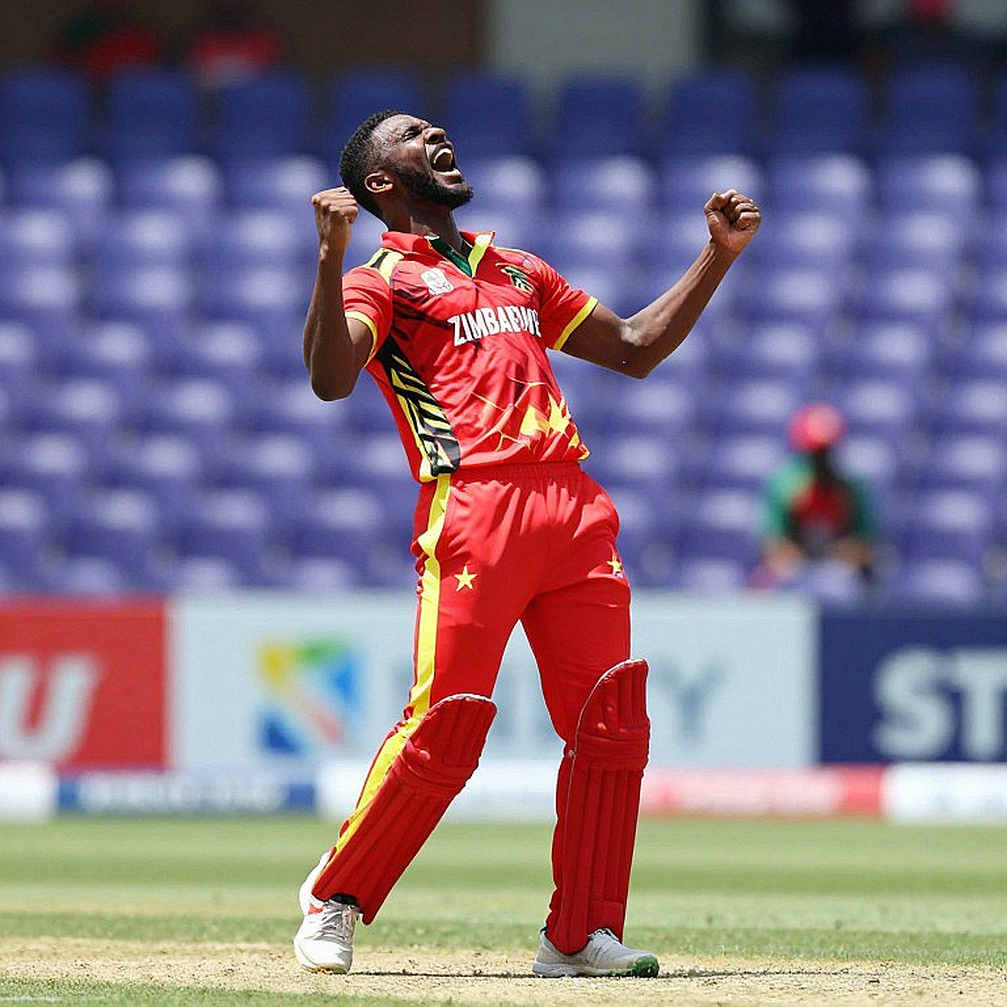
Bracewell's profile is his value. A 35-year-old white-ball all-rounder — lower-order batting plus a full spin quota. That dual skill frees a squad slot, so his demand is structurally high. But at 35, a dual workload means soft-tissue risk, and a casual contract shifts part of that financial exposure off the board. The board's calculation is clean: a casual deal trades a little control for retained white-ball availability. Bracewell is not retiring — he has stated his commitment to the India series and future white-ball fixtures. This is reclassification, not an exit.
Now look at the other side, Kelly's. Since his March 2026 debut he has played just eight ODIs and seven T20Is — a thin international sample. But three fifties in his last four ODIs, 950 runs across formats for Leicestershire, a sixth List A century in the One Day Cup final, and more than 300 professional matches. Coach Rob Walter's logic is not projection, it is de-risking: a 33-year-old knows his game and can handle pressure. Walter also spent two seasons with Kelly at Otago; that familiarity may have added a note of support to his case — a directional signal, not proof.
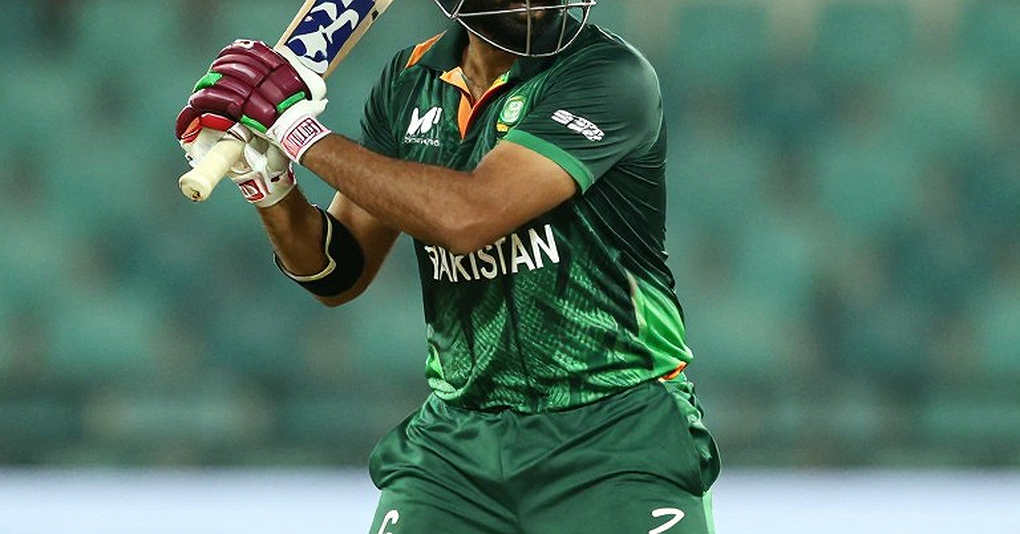
Yet the biggest fact is not in any single name; it is in the structure. New Zealand's white-ball core is veteran-leaning, and this swap does not change that — 35 out, 33 in. The average age barely moves. Kelly's fielding, and the two T20Is he captained as a stand-in against Bangladesh, say his value is not batting alone — it is squad utility and dressing-room culture. And precisely because of that, the contract is short-horizon by design: NZC is buying readiness now, not a decade of service. This is where an old transfer-market lesson returns, one I keep seeing on BBL and ILT20 deadline days — models overprice youth potential and underrate dressing-room chemistry and ready-now skill.
The outside story usually runs like this: a star chooses leagues over country, and the board seethes. Here it is nearly the reverse. NZC is stepping aside for the player; both coach and player are leaning hard on the word committed. The casual contract is not a punishment, it is management. That is fundamentally different from boards that bar or penalize league participation.
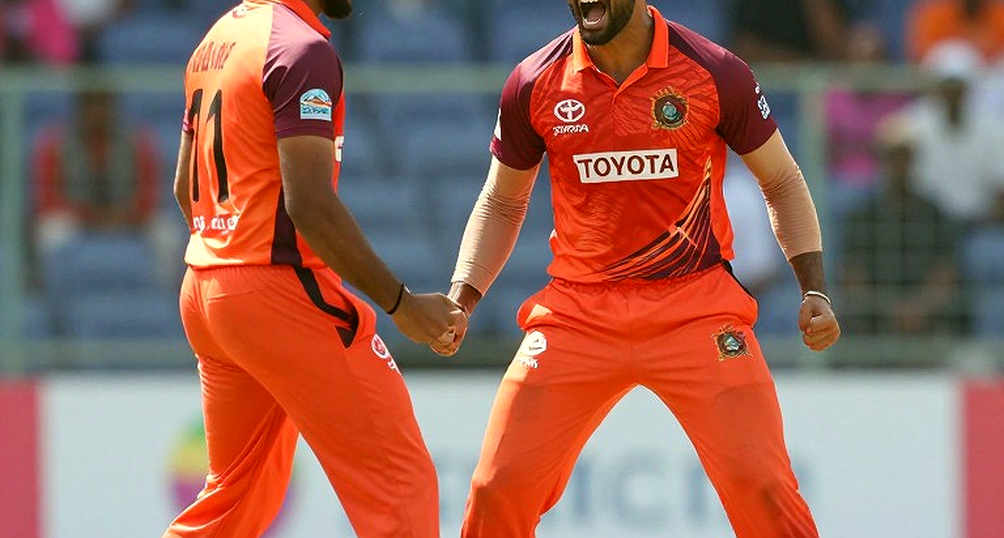
The second misreading is subtler. Kelly is in, so New Zealand is getting younger is wrong — a 33-year-old brings experience, not youth. Likewise, reading three fifties in four ODIs as proof of permanence over-reads a hot streak, not a trend. And the fear that Bracewell's casual move is leaving the country is smaller than it looks; the real risk it creates is availability. If all six casual players prioritize league windows, selection ahead of major tournaments becomes uncertain. To a fan that can look selfish; to the board it is a kind of insurance — less financial risk, partially retained control of availability.
Watch one thing now: whether Bracewell plays the five-match T20I series against India, and how far NZ20's first-season fixtures collide with international windows. If the casual model works, New Zealand may become a board players stay with even while they take league money. If it does not, the question stops being about contracts. It becomes whether the white-ball shirt itself remains worth more than a central deal.